The Managua — Craster’s “Boiler” and How She Left Her Mark

Managua was a fruit ship wrecked in thick fog in 1907. For generations, Craster locals have known her rusting remains as simply “the boiler”. This is the story of the ship, the rescue of her crew and the remarkable scars she left carved into the Whin Sill.
The Lambton Worm: Crusader Knights, Dragon Slayers and the Legend of St George
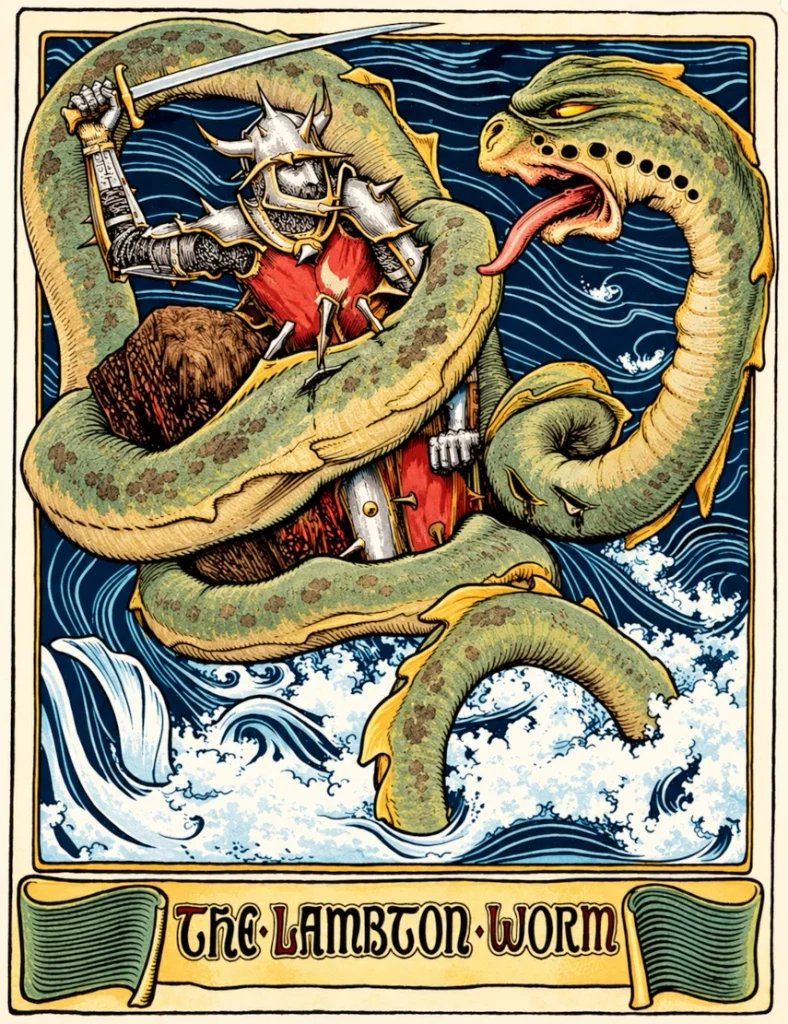
The Lambton Worm is the North East’s most enduring legend. But could its origins lie far beyond the banks of the Wear?
Two Ships, One Rock … Again — The Wrecks of the ‘Worms’ and ‘Haarfagre’
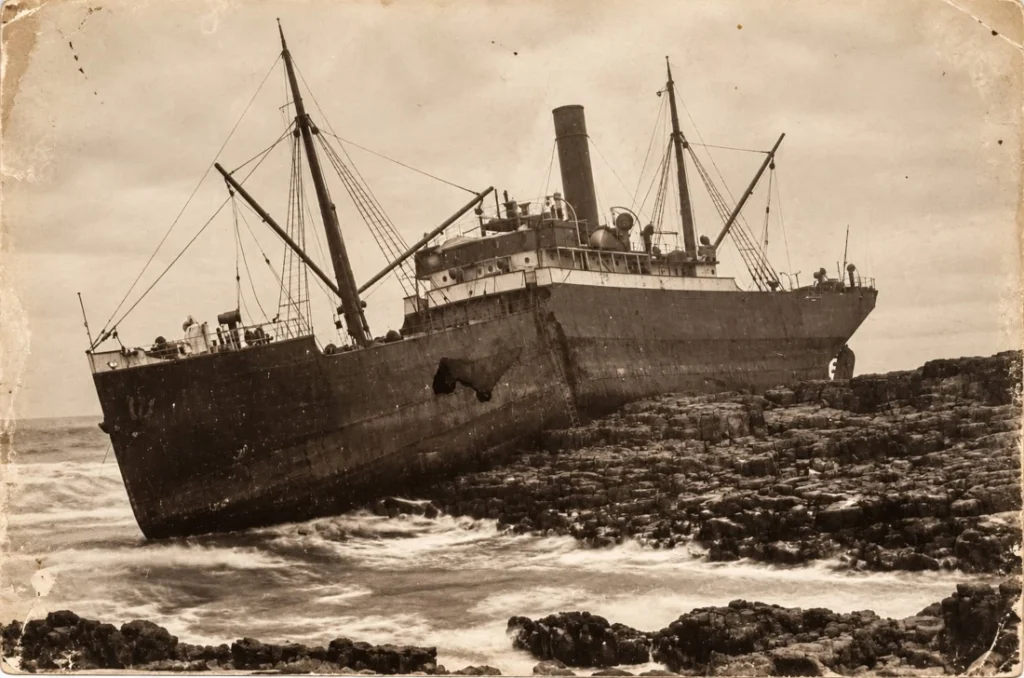
When you walk these rocky shores today, it’s difficult to imagine the sight of a steamship sitting helplessly on the whinstone, with her crew facing an uncertain future and the sea breaking against her hull.
Yet these were real events involving real men, some of whom would have travelled hundreds of miles from home only to find themselves stranded on our little stretch of Northumberland coastline.
Fanum Cocidi and the God Who Halted the Legions

“It always makes me wonder how many soaking-wet, freezing squaddies took shelter in that niche in the decades before its “discovery”, perhaps knocking up a brew during an exercise and staring at the strange figure in the rock, wondering what on earth it was.”
Palmers Shipbuilding & Iron Co. Ltd.
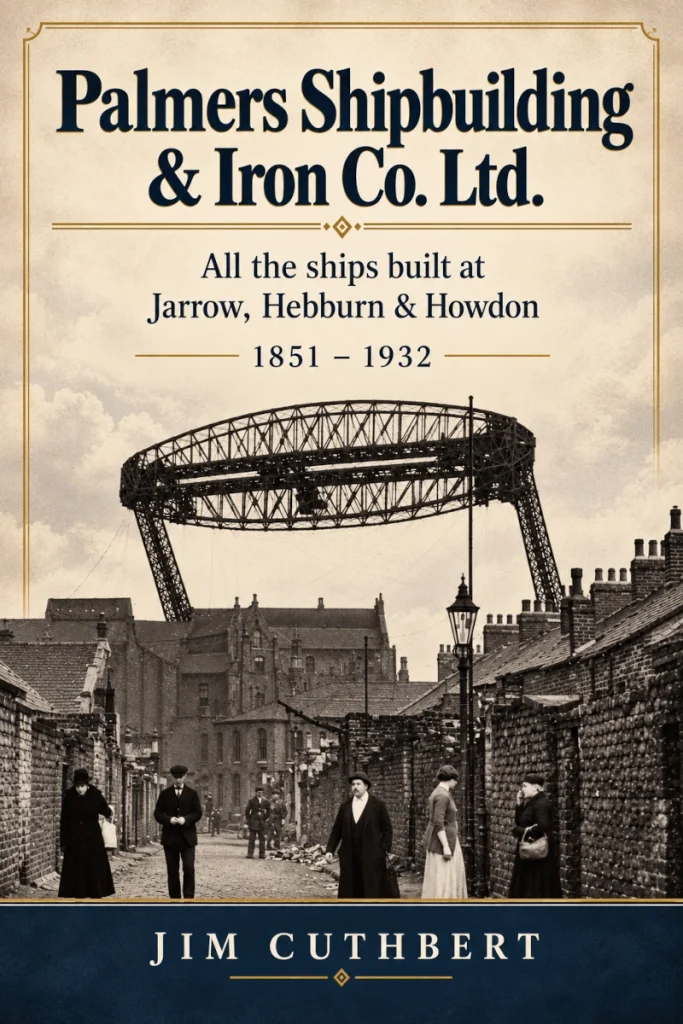
Read the introduction by Peter Flannery and pre-order a copy here:
Joseph Swan: The Man Who Illuminated the World
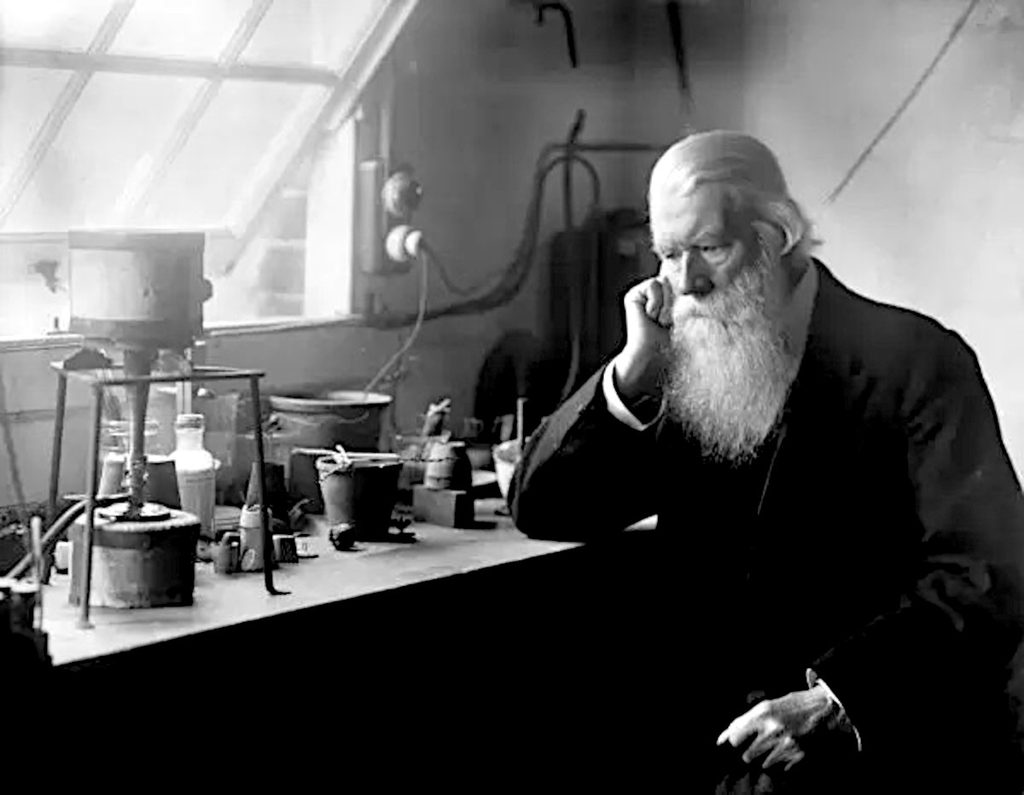
Turning darkness into daylight: Joseph Swan was a modern Prometheus who spent years perfecting the incandescent light and, in doing so, transformed the world.
From the Atlantic to Alnwick
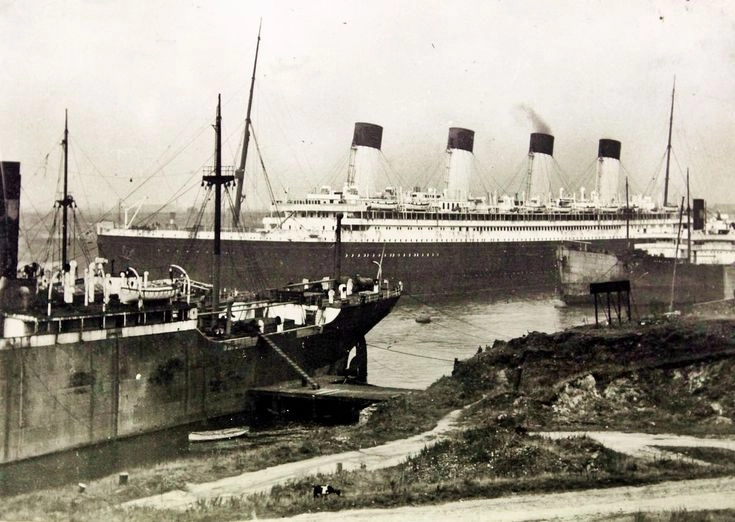
From the First-Class Lounge of RMS Olympic to a hotel in Alnwick, this is the story of an extraordinary piece of maritime history preserved for all to see at the White Swan.

Whitburn: A Village of Stories, Shadows and Secrets
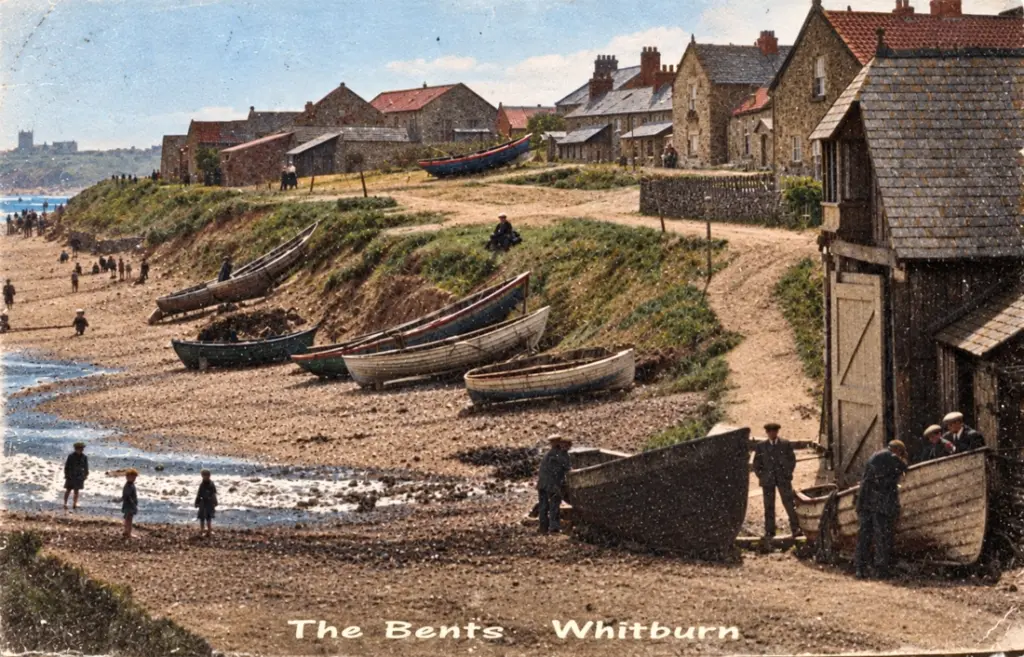
Behind the quiet streets of Whitburn village lie Tudor intrigue, literary inspiration, tales of the supernatural and a connection to one of the most famous works of English literature.
Winwaed: The Battle for the Soul of England

In 655 AD, the armies of Northumbria and Mercia met at the River Winwaed near Leeds, in a battle that would decisively shape the religious and political future of England.
Jarrow Giants — The Palmers Yard Cableways

These steel cranes once dominated the Tyneside skyline, and their demolition in the 1930s cast a long shadow over the town where they had stood since the optimism of the Edwardian years.
One of the most exciting shipyard jobs was being a Trolley Boy on the cableways. The lads who operated the trolleys high above the yard were sometimes no more than 14.
The Christmas Storm That Moved a River — Alnmouth, 1806
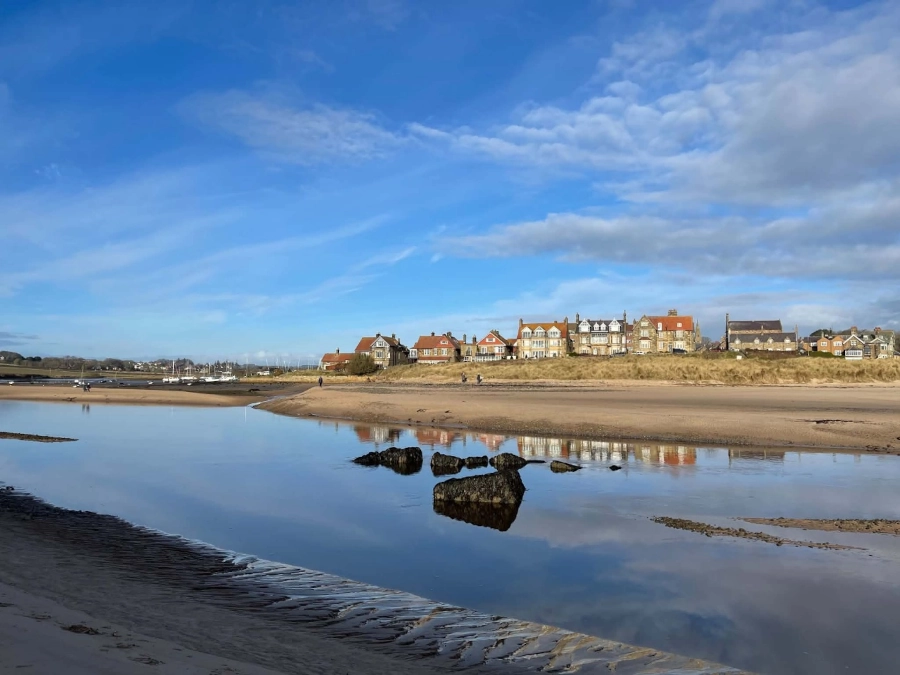
On Christmas Day in 1806, a violent storm tore through the North East and changed the landscape of Alnmouth forever.
In a matter of hours, the River Aln broke through to the sea, cutting off Church Hill and causing the instant demise of one of Northumberland’s busiest ports.
The Lost Language of the Craster Coast

Placenames are rarely meaningless. They are scraps of an older landscape: words left behind by farmers, fishermen, sailors and generations of people who knew every rock, hill, field and hollow. If you take a walk north from Craster towards Dunstanburgh you are effectively walking through a fossilised Northumbrian vocabulary.
Spies at Dunstanburgh? The Strange Tale of GDY-226
A shipwreck beneath Dunstanburgh, a brand-new Polish fishing vessel, the Cold War, mysterious radio aerials, Russian officials, and a local tale that may or may not have involved spies.
Football’s Pioneers from North East England

From Newcastle to Naples, from Sunderland to Seville, men from the North East played a key role in spreading Association Football across the world.
Jack Crawford: From Press Gang to Hero of Camperdown

Few Sunderland heroes have a story as extraordinary as Jack Crawford. As HMS Venerable was pounded by enemy fire at the Battle of Camperdown in 1797 and her colours were shot away, Crawford climbed into the rigging to raise the flag once more, rallying the fleet and helping secure one of the Royal Navy’s greatest victories.
George Washington’s Noble North East Lineage
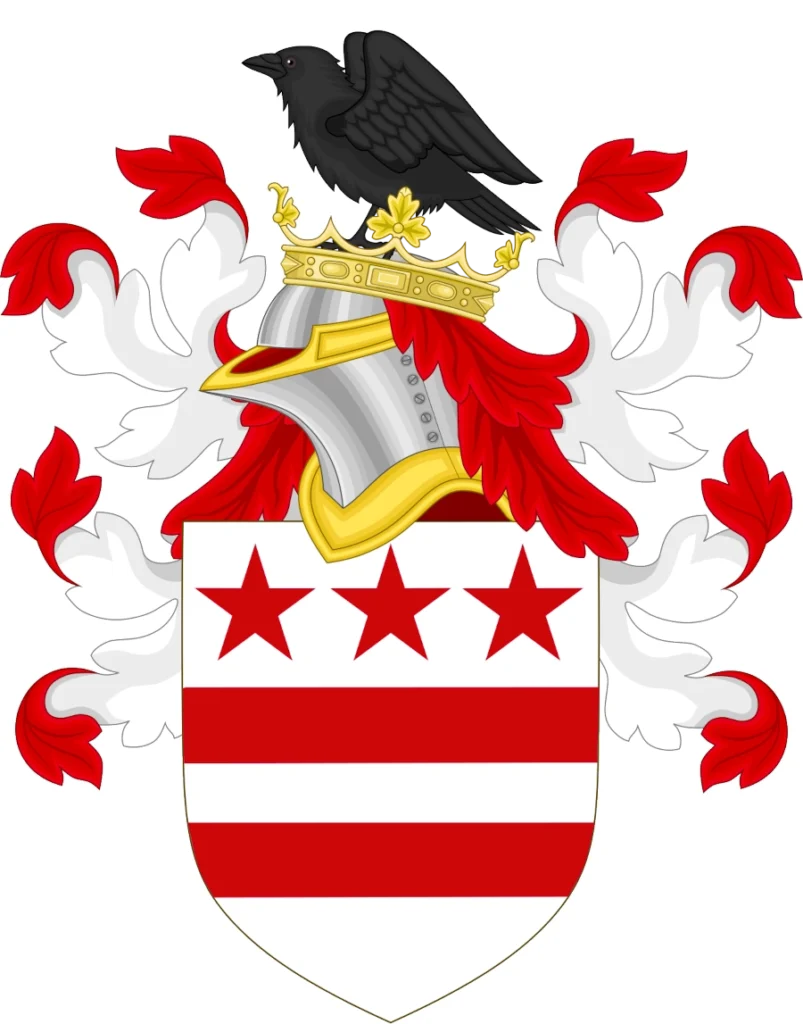
George Washington’s ancestors lived for centuries at Washington in County Durham, before one branch emigrated to Virginia, ultimately giving rise to the man who led the American Revolution.
PenBal Special: Transcript of Talk at South Shields Museum
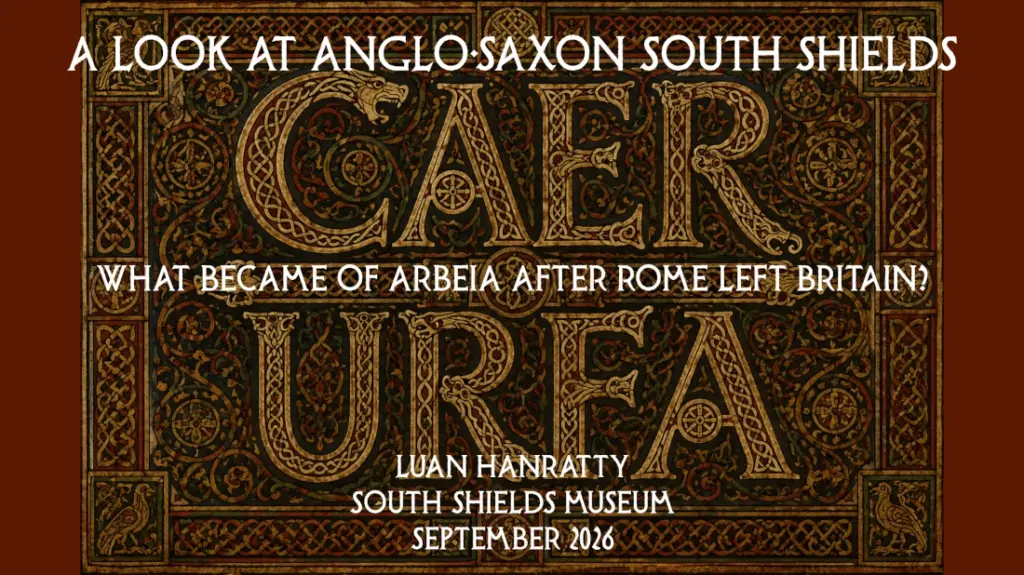
Luan explores the Early Medieval context of South Shields Roman Fort alongside the politics and figures that shaped the region in this turbulent and fascinating period.
In addition, he examines the meanings of the site’s two ancient names: ‘Arbeia’ and ‘Caer Urfa’, names which continue to puzzle historians today.
The Geordie Admiral: Forgotten Hero of Trafalgar
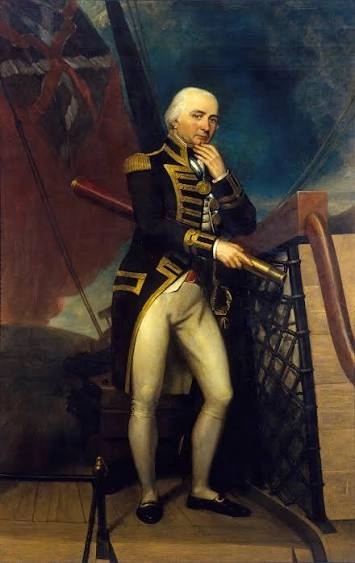
Newcastle-born Admiral Lord Cuthbert Collingwood was one of Britain’s greatest naval commanders. He was also a close friend of Nelson and is often overlooked as a hero of Trafalgar. Despite going to sea at 12 and spending almost all his life aboard ship, he never lost his love for his home.
Two Ships, One Rock — The Wrecks of the Matilda and Ignatz Breum

Two ships, two days and the same unforgiving rocks: the remarkable story of the wrecks of the Matilda and Ignatz Breum at Howick in the brutal winter of 1913.
The Little Harbour That Helped Change Britain

History does not always begin in great cities. Sometimes it begins in the smallest of harbours in a now almost forgotten corner of Northumberland.
Craster Harbour Loading Bins — A Forgotten Feat of Engineering

When most people think of Craster they picture kippers, the harbour and Dunstanburgh Castle. Few realise that for many years it was also a thriving industrial port exporting thousands of tons of whinstone to help build Britain’s roads.
The History of Shipbuilding in Sunderland and its Wartime Zenith
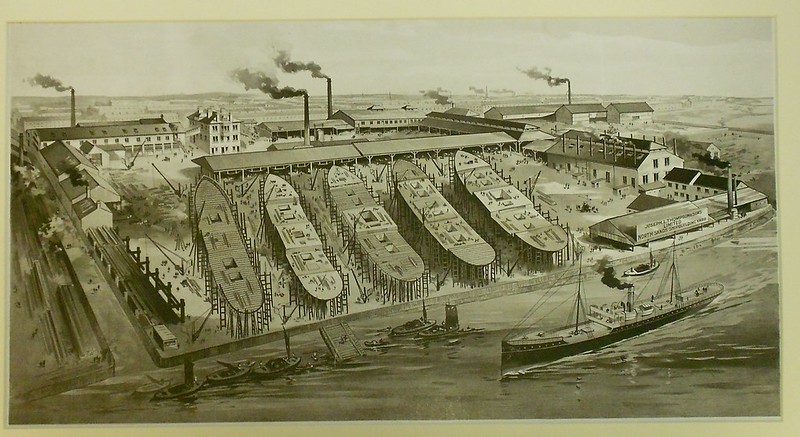
As the Victorian age came to its end, Sunderland was internationally recognised for the quality and the technical advancement of its ships. Its industrial capability would prove crucial in the wars that were to come.


Never miss an article. Enter your email or give our FB page a like