By Thomas Bainbridge
The ‘Bishops’ Wars’ of 1639 and 1640 were fought over the divergences of religious policy between Charles I and his Scottish subjects. The former intended to impose his own crypto-Catholic forms of worship on to the Scottish Church. However, the Presbyterian Scots, rabidly opposing all alterations made to the Kirk, signed the National Covenant in 1638, determining to fight the King if necessary. From this, they gained the name of ‘Covenanters’. Despite sparse fighting during the first Bishops’ War, the failure of Charles to satisfy the subsequent Treaty of Berwick resulted in a second conflict which soon flared up, and a Scots army commanded by Alexander Leslie, the Earl of Leven, threatened the north with the ravages of an invasion.
On the 17th of August, 1640, a massed force of 25,000 Scots crossed the Tweed, bypassed Berwick and marched directly for Newcastle. Their goal was to capture the vital shipping that controlled the export of coal on the River Tyne, which would provide them with significant bargaining power over the King.
Intent on preventing this was a much smaller English force led by Edward Conway, 2nd Viscount Conway. Stationed then at Morpeth, his force retreated before the vast Scottish host to a stronger line of defence, garrisoning Newcastle with troops.
As the Scots approached the Tyne, Leven decided to attempt to ford the river at Newburn, west of the town, in order to threaten the city from the less fortified southern approaches.
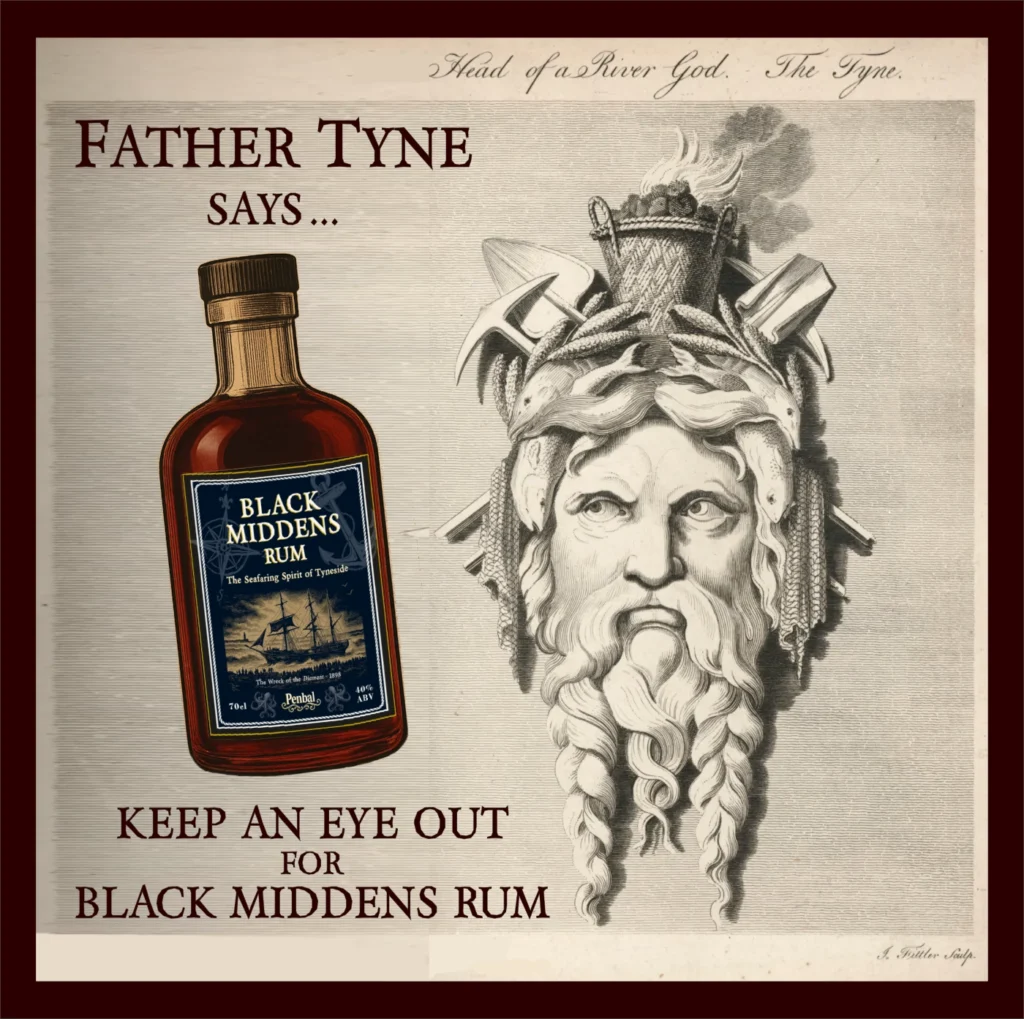
The Scots’ sprawling numbers were soon camped out around Heddon Law, lighting great fires with their ample supplies of coal that they had lately procured from the villages of Northumberland. Accounts tell of the overtones of the Scots towards the locals, decrying the unfortunate situation to which they had been driven by the King’s actions:
“That night, and the next morning, they suffered any Englishmen to come into their camp, and made them welcome with expressions of great love, and protestations of doing harm to none but those who should oppose them in demanding justice of the King against incendiaries.”
Edward Hyde, 1st Earl of Clarendon, ‘The History of the Rebellion and Civil Wars in England’ (1704), Volume I, Book II
However, the Scots’ intentions were not as entirely honourable as it may seem. Leven himself had motivated his troops by the promise that “having done your business, you shall have choice of English lasses”.

Conway was made aware of the Scots’ strategy and quickly brought up 1500 cavalry and 4000 infantrymen on the opposite bank at Stella and prevent them crossing the Tyne. On Friday 28th August, the two armies faced one another over the banks of the river, ready to do battle.
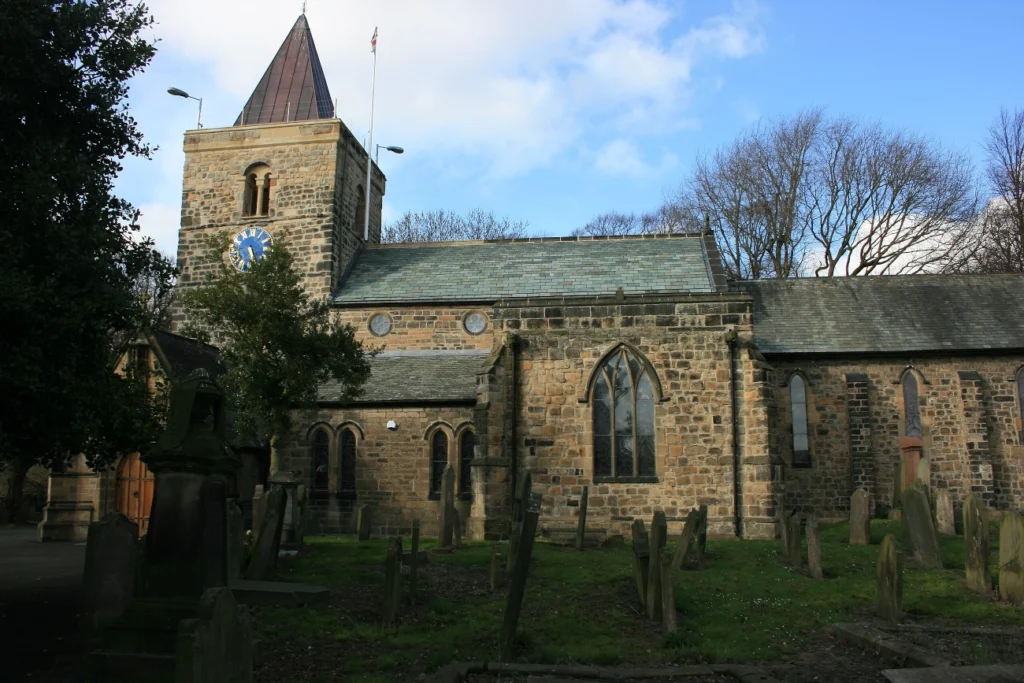
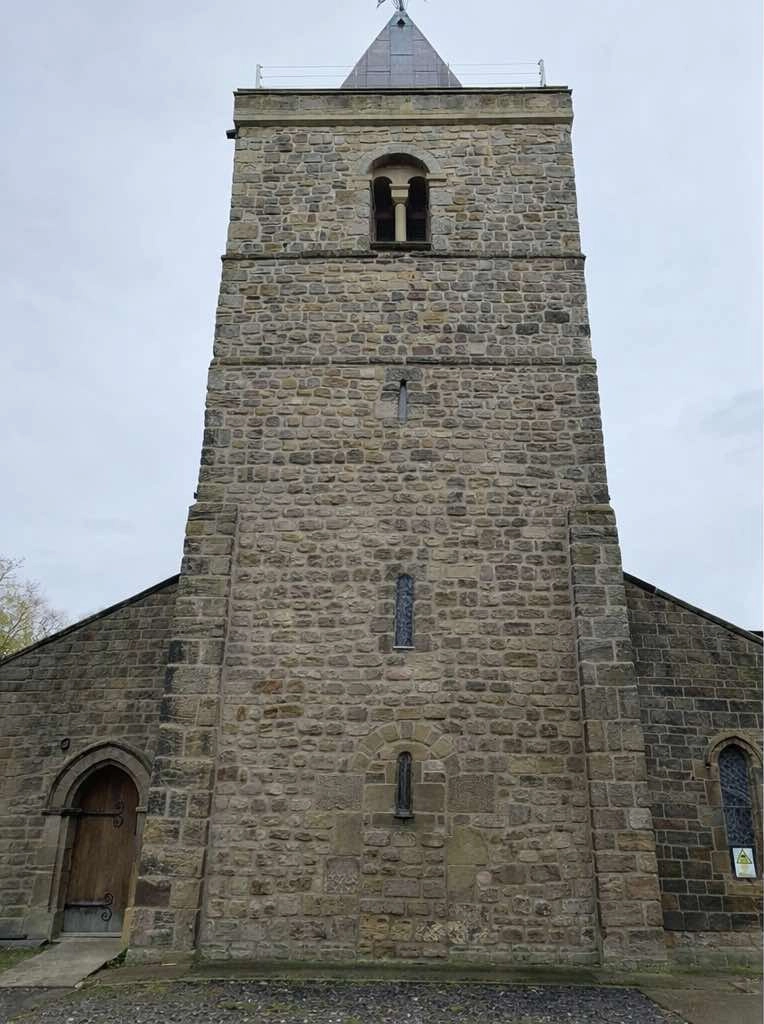
They were vastly unequal in both size, quality and vigour. Other than their sheer advantage in men, the Scottish cannons also outnumbered the four meagre English guns. Furthermore, the Scots’ artillery, led by the veteran commander Major-General Alexander Hamilton, was expertly positioned so as to be essentially invulnerable to return fire — including one gun mounted in the steeple of Newburn Church.
Despite these overwhelming odds, Conway was given decisive orders to hold his ground at all costs. He reinforced the fording points with breastworks and sconces (earthen fortifications) bristling with muskets.
Perhaps in order to prevent unnecessary bloodshed — or possibly as a form of deception — the Scots sent a final delegation asking to be able to deliver a petition to the King. This was roundly refused and the Scots prepared for battle.
The Story of The White Horse
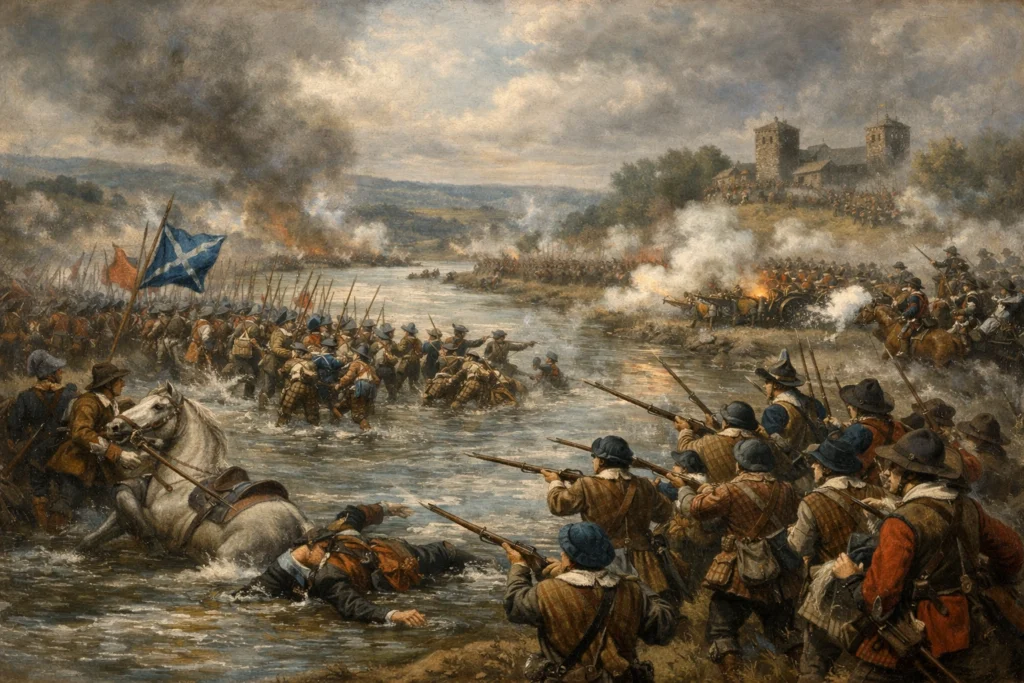
Several detailed accounts from the time say that the first shot was fired when a Scottish officer watering his horse in the River Tyne was shot by an English soldier, which triggered the fighting.
The historian, John Rushworth wrote:
“A Scottish officer watering his horse was fired upon by an English soldier — whether deliberately or not — and thereupon the Scottish musqueteers immediately fired upon the English, and so the fight began…”
Battle Unfolds
Early in the fighting the Scots used cavalry feint to draw out the defenders so the Scottish guns could open fire on them. Many of these unfortunate and exposed English troops fled immediately. The Scots then advanced en masse. Still, the narrow crossing point (only passable at low tide) left the Scots equally vulnerable and there were hundreds of casualties on both sides.
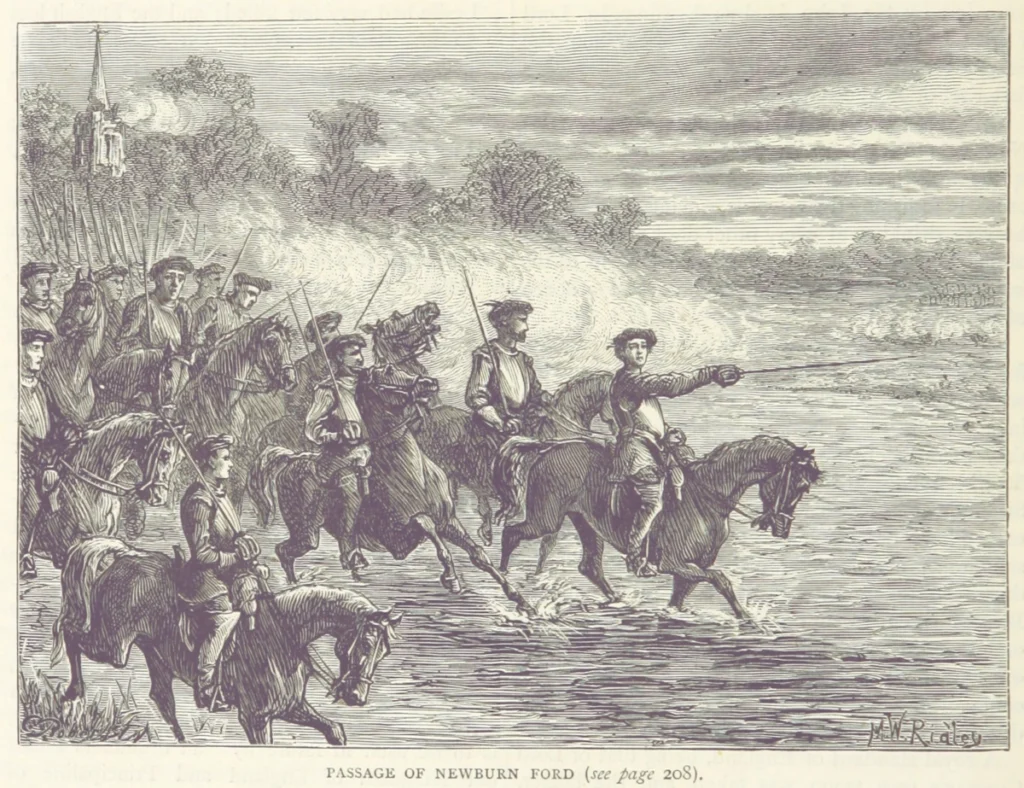
Still, ultimately the English abandoned their positions in an “infamous and irreparable route” * against the greater Scottish force. The retreating English troops were at their mercy, and yet Leven gave orders not to pursue them. He believed that more bloodshed would only further rouse the indignation of the English negotiators, with whom he instead wished to come to terms.
* Edward Hyde, 1st Earl of Clarendon, The History of the Rebellion and Civil Wars in England (1704), Volume I, Book II
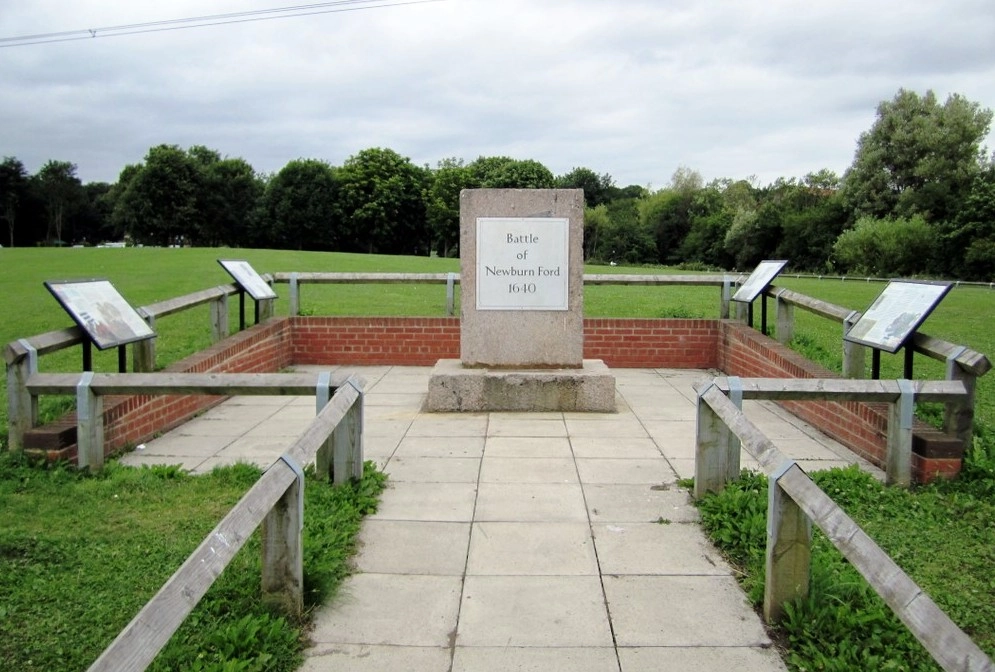
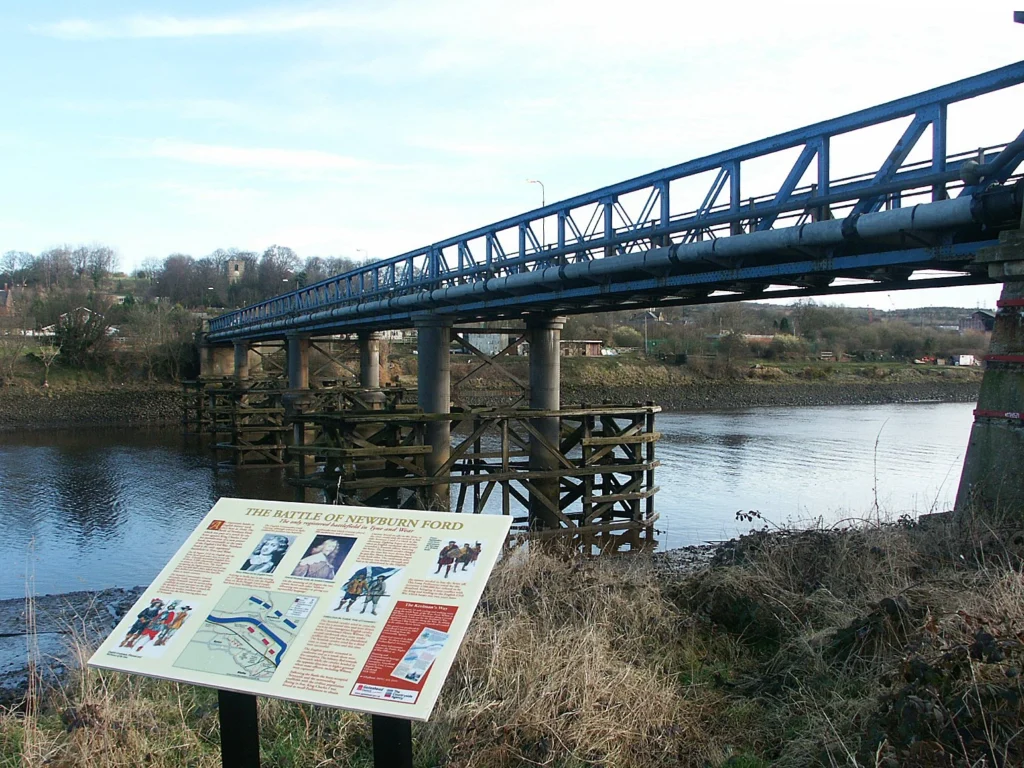
Despite the victory, the Scots remained cautious and moved at a creeping pace towards the town which they imagined was still fortified. However, arriving at the outskirts, they found that it had been left undefended, and were begrudgingly greeted by the Lord Mayor, Robert Bewick, who was powerless to stop them. Conway instead had taken what troops he could muster and retreated to Durham. One account describes that Alexander Henderson, the Presbyterian Divine, gave a thanksgiving service a St. Nicholas’ Church (Cathedral) in honour of the Scottish victory, proof that God took their side in the dispute. More tangibly, the Scots now had access to vast stores of grain and coal, and blacksmiths’ forges to replenish their great army. The Scots even demanded that the townsfolk bake bread and brew beer for their weary formations.
Pursuant to their war aims, the Scots entirely stopped the export of coal to southern England. Wielding this great bargaining chip, they were able to bring their terms to bear against Charles, who was also harried by his English subjects with their own remonstrations, resulting in the Treaty of Ripon. Under the humiliating terms of the treaty, it was agreed that the Scots would retain control of Northumberland, be paid £850 daily for the upkeep of their army, now stationed in Newcastle, and even reimbursed for their expenditure in undertaking the invasion!
Therefore, for the people of Newcastle, occupation by the Scots would become part of their daily life for the next year. It would also not be the end of hostilities. For years to come, Newcastle became a vital strategic pawn in the great wars that engulfed the island, in which coal was the lifeblood of victory.

A relevance to Tynemouth is that for a while the vicar at Newburn was Thomas Dockwray, later the first vicar of Christ Church, Tynemouth, he was replaced by his brother Josias Dockwray. Thomas was father of Stephen and Thomas the second and third vicars of Christ Church, grandfather of Thomas vicar of Holy Cross Wallsend and great grandfather of Thomas vicar of Stamfordham the builder of Dockwray Square
source https://amzn.eu/d/b81AxgR
Lead and silver, from the hills inland, was traded by river to the sea ports.
Lead was essential for bullets.
If lead supplies could be stopped from the Kings troops, this may have been a more direct war aim even than coal.
Yes, two distinct resources. Lead mattered to the army, coal mattered to everyone…