By Thomas Bainbridge
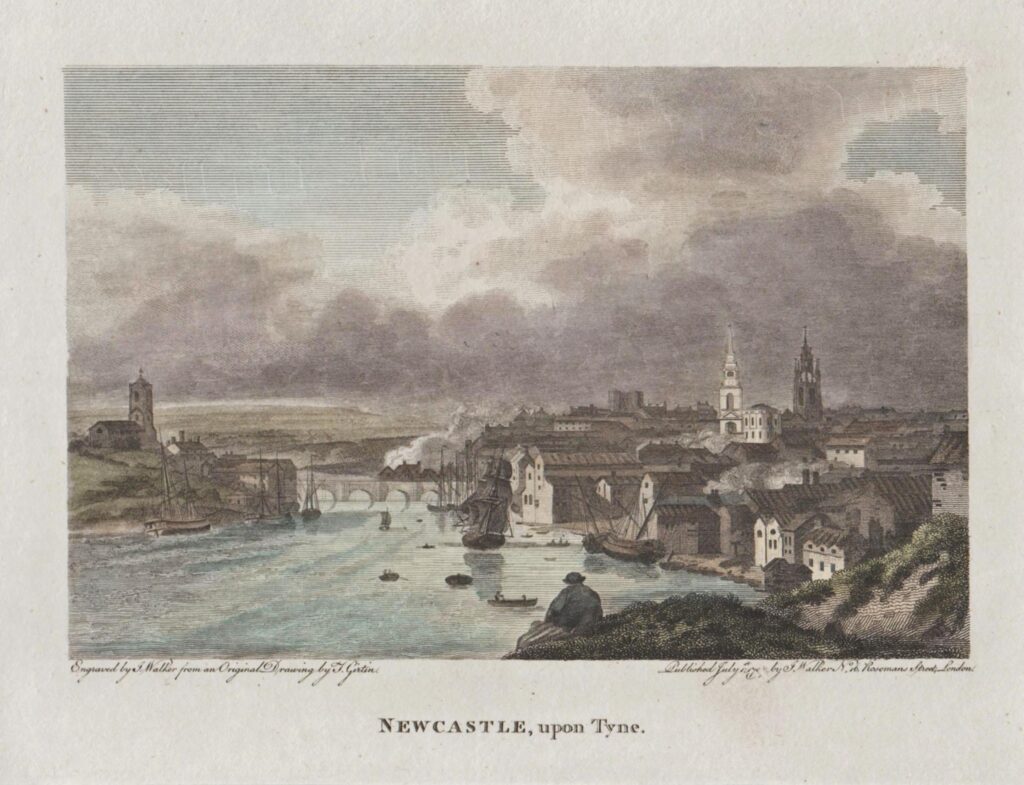
Newcastle is naturally wedded in the mind with coal. This connection would have been even stronger in the eighteenth century due to the need to fuel an increasingly industrialised world. Coal heated thousands of hearths across the British Isles, Europe and the growing North American colonies, with tonnes of the stuff pouring from the mouth of the Tyne.
It’s a basic rule of economics that where something is in great supply, there is no need to import more of it to the source. To do so would be a foolish venture with little gain. And yet, this is what one man attempted at the time: He sent coals to Newcastle.
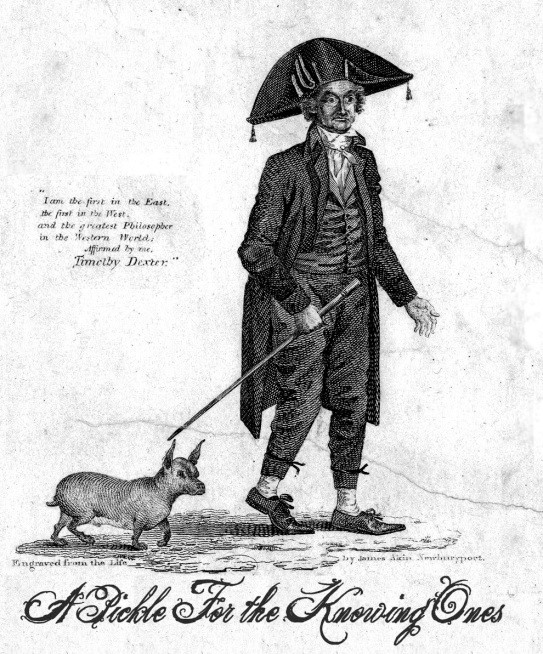
Timothy Dexter was born in Malden, Massachusetts — then one of the British North American colonies. It was a developing outpost of the Empire, engaged in exporting various goods to meet demand in the mother country. Tobacco, pelts, cotton and fish all drifted across the Atlantic, passing the gruesome slave trade that moved in the other direction.

Dexter would have grown up amongst this vibrant marine activity, though he did not partake in it right away. He was from a poor family and started out as an apprentice leather dresser. This was, though, a reasonably profitable trade and Dexter gained from this his first great piece of fortune when he learned a peculiar North African technique for treating leather, which was not widely known in America. He could charge highly inflated prices and the cash started rolling in.
Dexter soon set his sights on bigger things. Always scheming, he was something equivalent to a New England spiv. He dressed flashily, talked the talk and could turn a quick dime. Fired by ambition, he moved to the more industrious town of Newburyport. Dexter’s flamboyant manner and roguish ways courted attention, and before long he had married one of the wealthiest widows in the area. With his newfound riches he bought a great mansion and — not one to rest on his laurels — sought to expand his capital.
Maritime trade was the obvious avenue. Dexter bought a ship, but pondered what to stock it with and where to send it. Soon his designs were known by some of his fellow merchantmen — many of whom had been suitors to his new wife. They eyed his success jealously and looked to procure the comeuppance of the upstart. Upon asking for their guidance, they gave him some masterful advice and he thanked them warmly.
As with sending the apprentice to get tartan paint or a skyhook, the elder merchants howled with laughter as young Timothy went about his plans. He stocked his ship with bedpans (used for warming in colder climates) and transported them to the blisteringly hot West Indies. But soon, he returned with a great profit, having sold every last one. As Dexter returned, his companions clasped their hands to their heads, flabbergasted by the success of this miscreant. Dumbfounded, they inquired as to his journey. He said that, finding that the bedpans were not wanted for their original use, he had sold them to be used as ladles for the molasses that was being produced in great quantities there. Irritated, they gave him more ‘ideas’, but each time looked on astonished as he returned to port, more and more laden with riches. Of course, he eagerly returned to their advice which had been the basis of his success, and each time they scrambled for an even more ludicrous proposition.
“Just how to ruin him?”, they thought. Then it came to them: “Send coals to Newcastle!”.
Dexter, presumably enraptured, replied, “Why didn’t I think of that!?”
They must have mused, “That’s it. We’ve got him this time. Why would anyone send coals to Newcastle? He’s bound to lose it all now.”
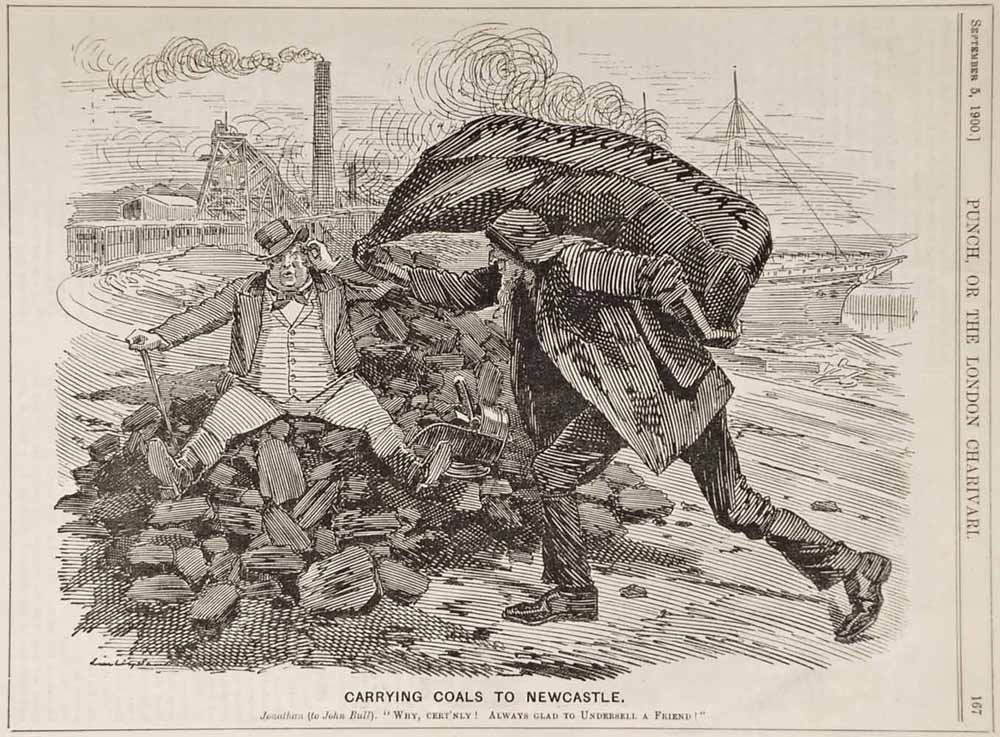
Sending coal to Newcastle was like shipping ice to the arctic. The price Dexter would pay in America was far more what they’d ever accept on the banks of the Tyne. But he went about his preparations oblivious. Soon he made sail and was on his way to the distant port.
But while at sea, unbeknownst to Dexter or his detractors, the mines of Newcastle stood idle. The workers were on strike. No coal was brought up from the pits, nor embarked on the ships. As the strike rolled on with no end in sight, the price of coal rose higher and higher.
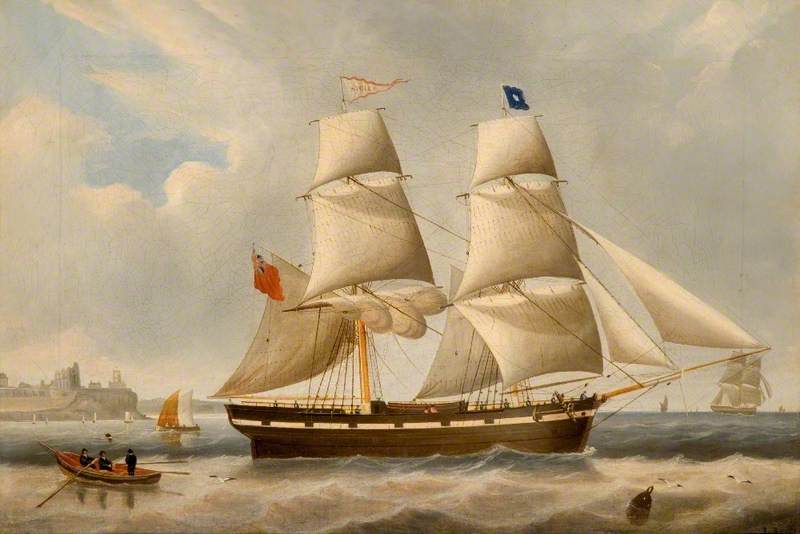
After weeks at sea, Dexter finally spied Tynemouth and passed the ruins of the Priory on his way to Newcastle. Mooring at the docks, he reported his cargo to the clerk. As the old man scribbled way, he stopped short and began to stare at the Yankee.
“Coal?”, he said incredulously.
Soon, the Quayside had a mass of people rushing up to the vessel. They took out their valuables and threw them at Dexter, carting off the black stuff from the hold to heat their freezing homes. It was his greatest success. While his rivals chinked glasses to his downfall, he returned flushed with gold.
At any rate, that is the standard version of the story. It remains to be seen if there really was a pitmen’s or keelmen’s strike in the 1790s. What may be more convincing is that the coal Dexter bought was anthracite, virtually unheard of in England but plentiful in the Pennsylvania coalfields, and being such a curiosity, he was given a good price for his cargo.
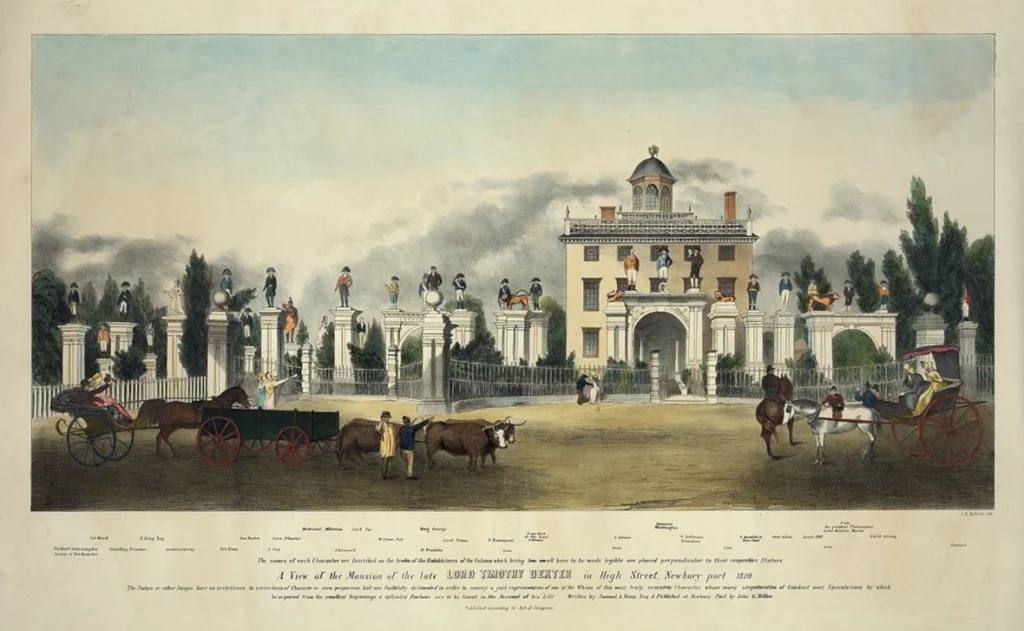
So we have every reason to believe the tale is true, and that from his lowly origins, Dexter had become the richest man about town back in Newburyport. Now, with complete freedom, he could embrace his eccentricities. He erected forty statues in his gardens, chronologically depicting the greatest men in history from Hannibal, Caesar, Charlemagne to Washington and Jefferson. Taking to calling himself Lord Dexter, the fortieth statue was, of course, of himself.