
By Crasterfarian

Being born and bred in Craster, one of our endless playgrounds was the coastline in and around Howick, the bathing house or ‘Tully’s Hoose’ as it’s known locally the caves, the burn, Sugar Sands and Howdiemont Sands.
It is one of Northumberland’s best-kept secrets.
Tucked beneath the sandstone cliffs below Howick Hall lies a tiny natural haven.
Today it is a peaceful place where only the cries of gulls, the odd shelduck and the sound of the waves disturb the silence.
Yet two hundred years ago this secluded cove was the gateway between a Lord, his Northumberland estate and the very heart of British politics.
Before the coming of the railways, long journeys were often made by sea.
The roads to London were slow, uncomfortable and, during winter, frequently little more than rutted tracks. The North Sea, by contrast, was Britain’s motorway.
At Howick Haven stood a small landing place and The Boathouse, belonging to the Grey estate.
Historic records tell us that goods destined for Howick Hall were regularly landed here before being carried up the steep estate road by horse and cart.
Books, furniture, wine, household supplies and other cargo arrived from London aboard coastal trading vessels, while produce from the estate could also make the return journey.
Family letters even mention “a great cargo of books” arriving from the capital aboard an Alnmouth ship.
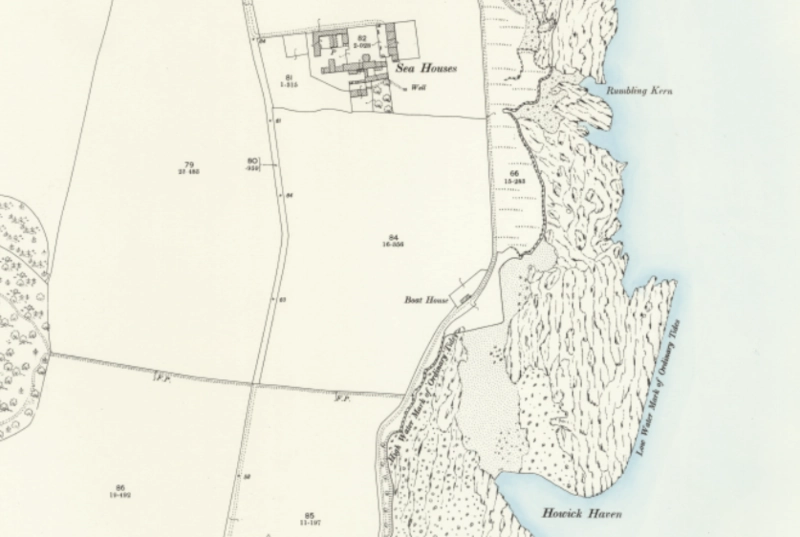
The Haven was much more than a working landing place.
Charles Grey, the 2nd Earl Grey, had a lifelong affection for the sea and for the dramatic Northumberland coastline. While Westminster demanded his attention for much of the year, Howick remained his refuge. Here he could walk the cliffs, breathe the salt air and enjoy the peace that only the Northumberland coast can offer.
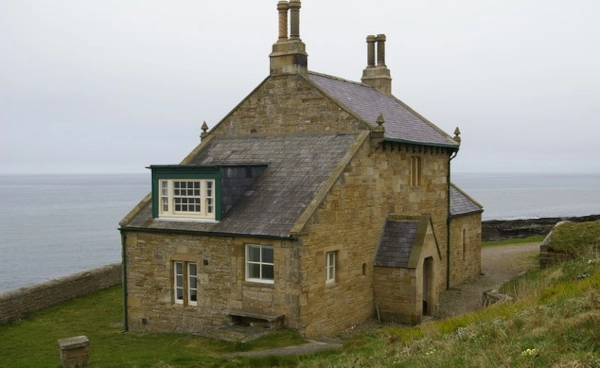
Just beyond the boathouse stands The Bathing House, built during a time when sea bathing was considered both fashionable and beneficial to one’s health.
It formed part of Earl Grey’s coastal retreat, allowing the family to enjoy the sea in relative privacy.
Looking out across the bay today, it is easy to understand why this place meant so much to him. It is therefore easy to imagine another regular passenger making the same journey.
Leaving Howick Hall before dawn, Earl Grey would descend through the trees to the little haven below.
No grand steamship awaited him alongside the shore.
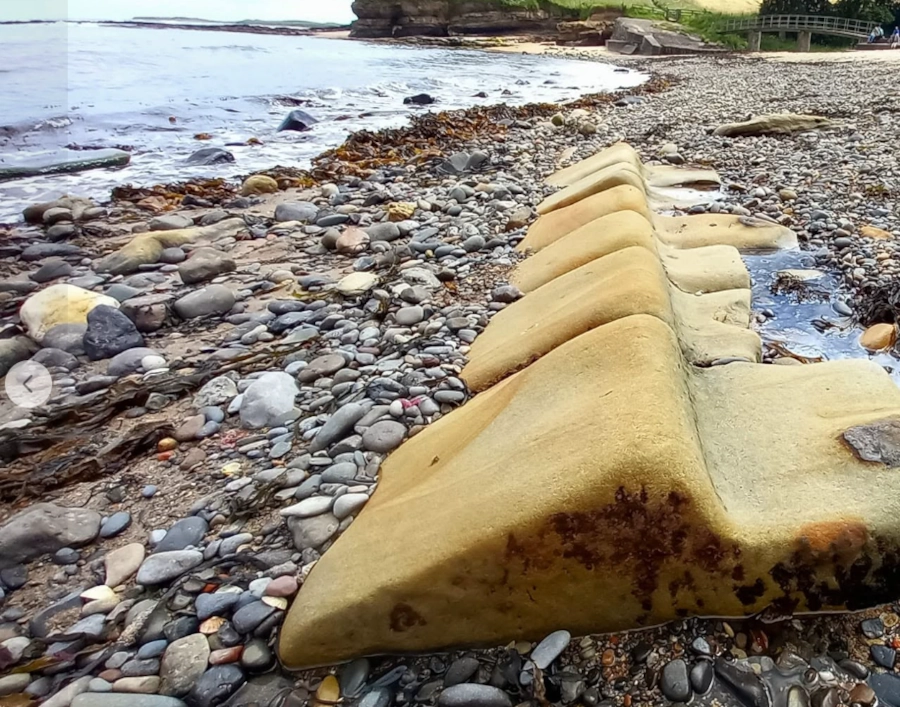
The water was far too shallow. Instead, a tender from the waiting ship, or one of his ‘staff’ would prepare the boat in the boathouse and bring it down to meet him at a small stone jetty, the remains can still be seen today and carry him across the bay to a merchant brig or coastal packet anchored safely beyond the reefs.
The bay really is THAT shallow, you can walk out for a hundred meters or more even at low tide and be no deeper than ya knackers.
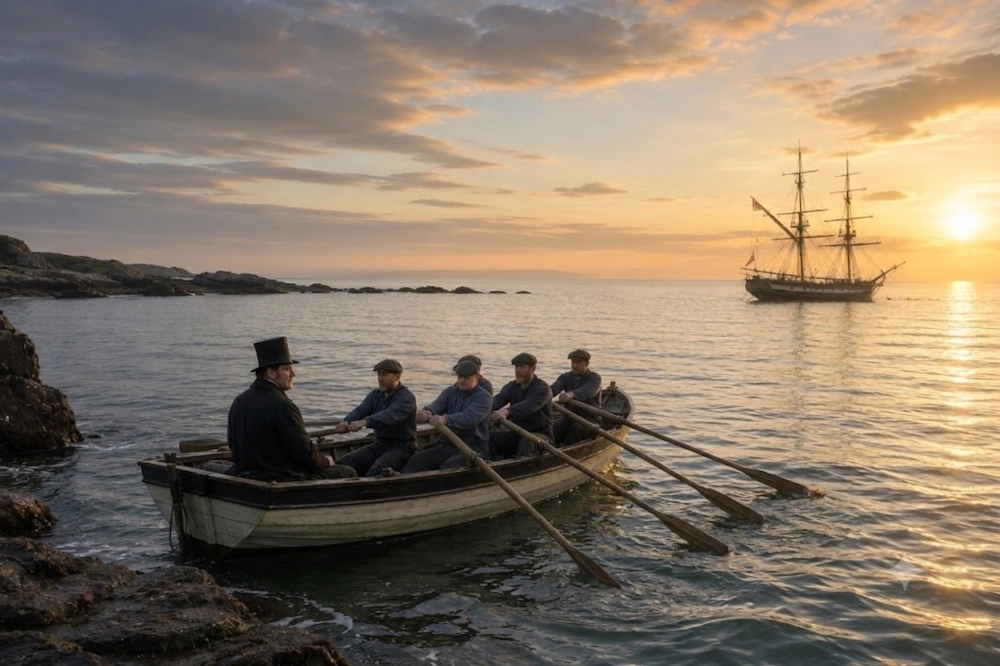
As the oars dipped into the cold North Sea and the cliffs of Howick slowly slipped astern, he was not simply travelling to London.
He was travelling towards history.

The Great Reformer
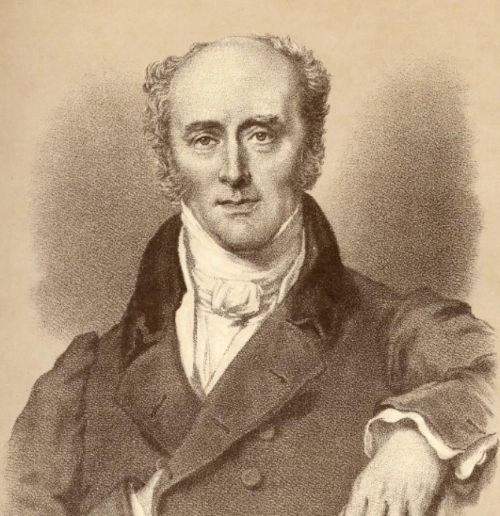
Grey became Prime Minister in 1830 and led one of the most reforming governments Britain has ever known.
His administration delivered the Great Reform Act of 1832, transforming parliamentary representation, and in 1833 oversaw the passing of the Slavery Abolition Act, ending legal slavery across most of the British Empire.
Years earlier he had also helped steer legislation that abolished Britain’s transatlantic slave trade, a practice that had been a shameful stain on our history.
Millions of lives would ultimately be affected by decisions taken during his years in office.
A man that stood against all the others, many of them in positions of power, his peers and other politicians, all who profited from the misery of others and he said, “NO MORE”.
It is remarkable to think that this historic journey of change began from this tiny Northumberland harbour. Small ripples in a tiny haven that swept around the world like a tsunami of change.
Northumbrian Hero
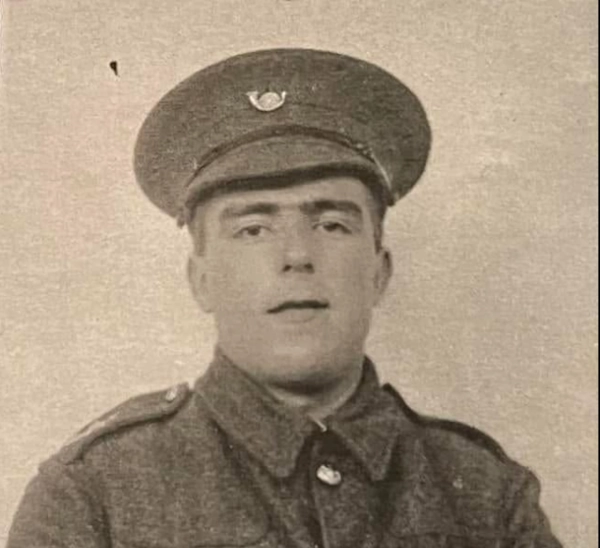
The story of this remarkable place did not end with Earl Grey.
The Bathing House, known to generations of local people as Tully’s House was named after its longest resident, Christian Tully.
Christian “Christy” Tully was one of Howick’s most remarkable sons.
Believed to have enlisted at just 17 years of age, he left behind the beauty and tranquillity of Howick Haven, where the only sounds were the cries of seabirds, the crashing of waves against the rocks and the ever-changing North Sea.
Within months, that peaceful world had been replaced by something almost beyond comprehension.
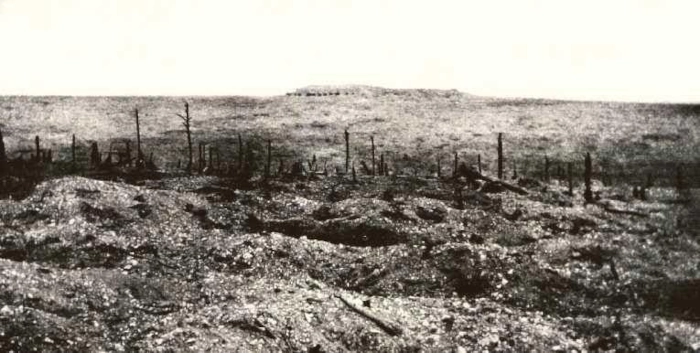
On the Western Front he found himself surrounded by the deafening roar of artillery, the relentless crack of rifle and machine-gun fire, poison gas drifting silently across No Man’s Land, and the mud, fear, horror and brutality of trench warfare.
It was a world where death was a constant companion, and where each dawn brought uncertainty as to whether the next day would ever come.
Against that backdrop, Christy endured the First World War and returned home to the coastline that had shaped his youth. Like so many of his generation, however, peace proved only temporary.
Then at 43, when Britain once again went to war, he stepped up answered his country’s call for a second time, serving throughout the Second World War before returning once more to the quiet shores of Howick.
For much of his life he lived in The Bathing House, becoming as much a part of Howick Haven as the cliffs and the sea itself.
It remained his home until 1963, when advancing years forced him to leave the shoreline he loved and move back into Howick village.
The letters he sent home reveal not only the brutal reality of war but also the courage and resilience of the young Northumbrian who wrote them:
“Many of my chums are being knocked over. I often think it may be my turn next, yet I believe I shall return home safely.”
In another letter, he described the stark reality of an assault on the German trenches:
“When we got in their trenches, they just put up their hands and begged for mercy, but we had no mercy.”
That simple appraisal of the assault hides the horror of WW1, hand to hand combat in confined spaces, the dead and screaming of the dying as they swept through the German trenches butchering every man they encountered. All that bottled up into a sentence of 21 words, a typically Northumbrian understated modest view to the brutality of war.
His story is preserved in Howick First World War Stories by Avril and Arthur Meakin and it speaks more eloquently than any historian ever could.
They remind us that behind the peaceful beauty of Howick Haven stood a man who had witnessed the unimaginable yet quietly returned home to live out the rest of his days on the very coastline where his remarkable journey had begun. What night terrors did he have? The anxiety and survivor’s guilt, a burden he carried for the rest of his life and never spoke of.
There was no PTSD counselling for these men, they just simply went back to work and got on with life.
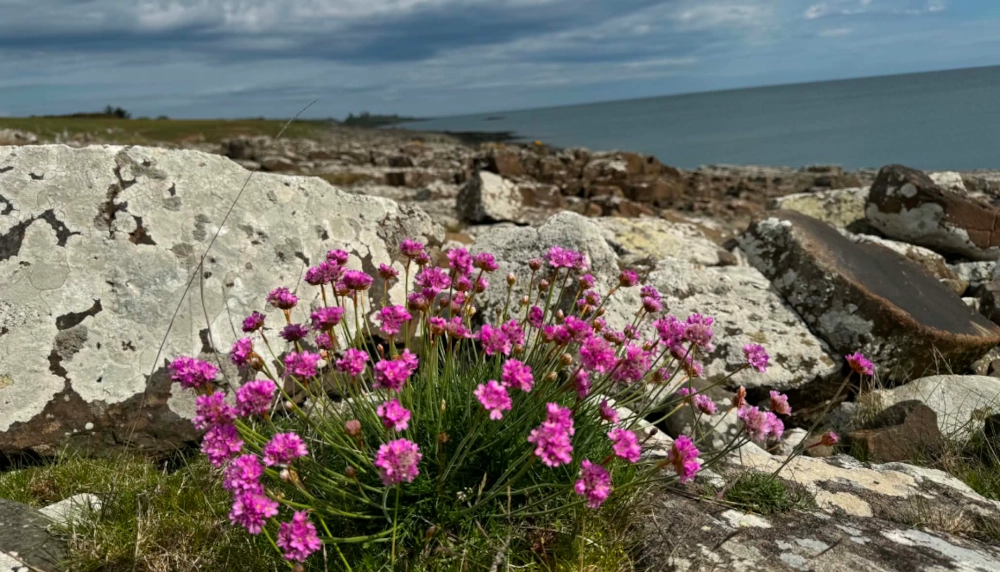
Today, the little haven still attracts tourists as they walk the King Charles III Coast Path. The machinations that occurred here are now just breaths of wind in the history of our county.
The sun still shines and the sea pinks still bloom, the sea still provides bounty for the local fishermen, and life goes on.
Yet this tiny corner of the Northumberland coast has witnessed far more history than its size would ever suggest.
It helped connect one of Britain’s greatest reforming Prime Ministers with Westminster, and later became home to one of Howick’s most remarkable sons.
History does not always begin in great cities.
Sometimes it begins in the smallest of harbours in a now almost forgotten corner of Northumberland.
Lest we forget.
With Love from the Crasterfarian XX

Lived at Newton by the sea from 1985 until 2021 .
I like to hear any history/ gossip / stories about the area, Bamburgh to Alnmouth eg.